Source Motorcycle Fuel Tap for CG125, GSX, and Scooter Models
Find 30 motorcycle fuel tap options for CG125, GSX, and scooter models. Compare iron and aluminum alloy tanks and carburetors from suppliers in China. Check MOQs, certifications, and warranty details for your sourcing needs; compare the available evidence and request quotations based on your requirements.
Key considerations
Products List

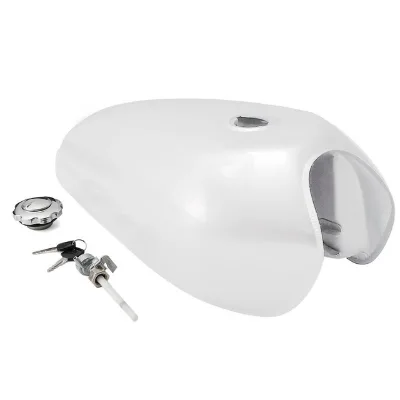
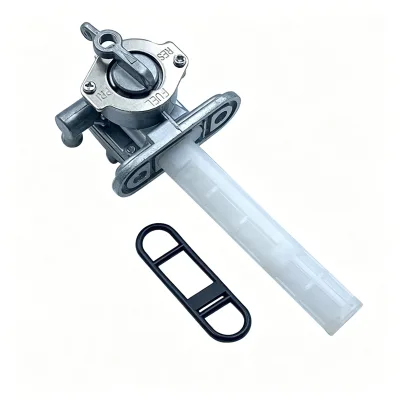
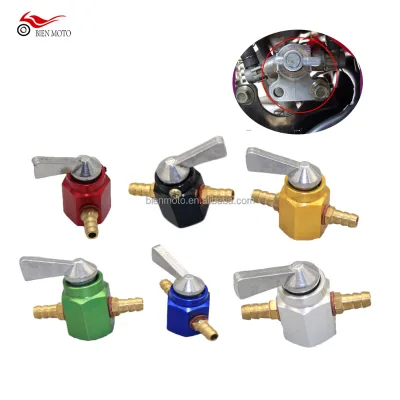
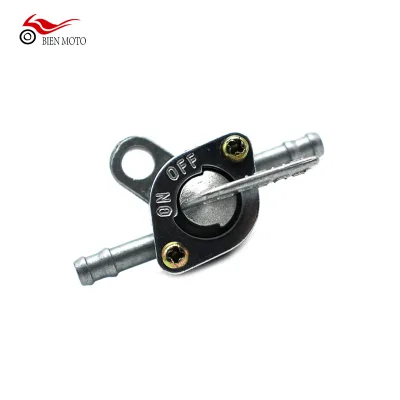
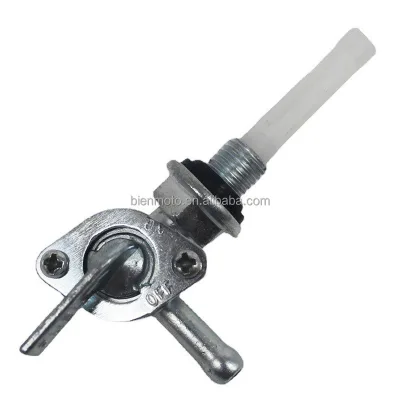
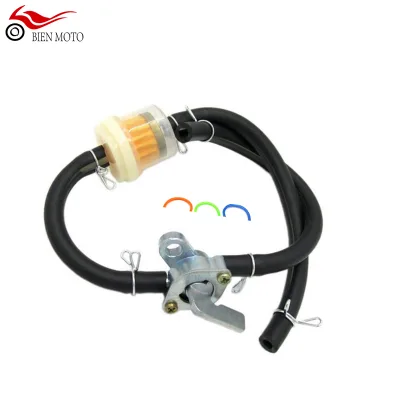
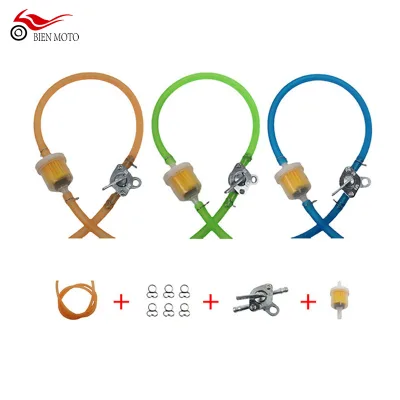


Comprehensive Sourcing Guide
Motorcycle Fuel Tap Sourcing Guide
Procurement professionals must first distinguish between fuel tank assemblies and standalone petcock valves, as the supply chain treats these as distinct product categories with different manufacturing requirements. The observed market data indicates a clear split between complete fuel tank units, often constructed from iron or aluminum alloy, and specialized carburetor components like petcock valves designed for specific engine configurations. Buyers should verify whether the listing describes a replacement tank for models such as the CG125 or CG150, or a functional switch component intended for high-performance machines like the GS series.
Understanding the specific fitment requirements is critical before initiating any supplier contact, as compatibility varies significantly across motorcycle makes and models. The available inventory includes parts explicitly labeled for Yamaha scooters and various Suzuki models, suggesting that a generic approach to sourcing will likely result in fitment failures. Sourcing teams must cross-reference the product model numbers and compatible make details provided in the listing against their own fleet specifications to ensure the selected component matches the intended vehicle architecture.
Product Scope and Observed Listing Signals
The current market listings reveal a diverse range of product attributes, including color options such as matte black, red, and silver, which often correlate with specific aesthetic or branding requirements for custom motorcycle builds. While some listings emphasize the condition as 100% new, others highlight the availability of customization services, indicating that suppliers may offer tailored finishes or modified dimensions to meet unique project needs. Buyers should carefully examine the product name and type fields to confirm whether they are purchasing a complete fuel tank assembly or a specific functional part like a petcock valve switch.
Packaging and shipping logistics also vary widely across the observed listings, with options ranging from standard export cartons to wooden boxes and neutral packing configurations. The single package sizes and gross weights provided in the data suggest that shipping costs will be a significant factor in the total landed cost, particularly for heavier iron tanks compared to lighter aluminum alloy components. Procurement teams must calculate the volumetric weight based on the listed single package dimensions to accurately forecast freight expenses and determine the most efficient transport method, whether sea, air, or express delivery.
Technical Specifications to Verify
Technical verification begins with confirming the material composition, as the supply data explicitly lists both iron and aluminum alloy as primary construction materials for these components. Iron tanks may offer superior durability for heavy-duty applications, while aluminum alloy parts often provide weight reduction benefits essential for performance scooters and racing motorcycles. Buyers must request detailed material certificates or mill test reports to validate the alloy grade and ensure the material meets the corrosion resistance and structural integrity standards required for fuel storage systems.
Dimensional accuracy and functional specifications are equally critical, with listings showing specific model numbers like CG125, CG150, and various GS series identifiers that dictate the physical interface. The single package size and gross weight data serve as initial indicators of the component's scale, but buyers should demand precise engineering drawings or CAD files to verify mounting points, valve thread sizes, and internal flow rates. Ensuring that the core components, such as the carburetor or injector interfaces, align with the existing engine configuration is essential to prevent operational failures during installation.
Compliance and Safety Documentation
Safety compliance for fuel system components is paramount, requiring suppliers to provide documentation that verifies the integrity of the fuel storage and delivery mechanisms. While the observed data mentions ISO9001 certification for related motorcycle body parts, buyers must explicitly confirm that the specific fuel tap or tank listing adheres to relevant international safety standards for flammable liquid containment. This includes verifying that the materials used are compatible with various fuel blends and that the sealing mechanisms meet pressure and leak-test requirements to prevent hazardous spills.
Documentation regarding the warranty and service terms also plays a vital role in risk management, with observed listings offering warranty periods ranging from one to two years. Buyers should scrutinize the terms of these warranties to understand what specific failure modes are covered, such as material defects or manufacturing errors, versus normal wear and tear. Additionally, requesting proof of the "Professional" service level mentioned in the listings can help assess the supplier's capacity to handle technical inquiries and provide support in the event of a product failure or installation issue.
Cost Drivers and Commercial Terms
The commercial landscape for motorcycle fuel taps is characterized by a wide range of minimum order quantities, with observed data showing MOQs as low as one piece and as high as ten thousand units. This variability allows buyers to select a procurement strategy that aligns with their inventory turnover rates, whether they require a single replacement part for a repair job or a bulk supply for a large-scale fleet overhaul. Understanding the pricing structure relative to these MOQ thresholds is essential, as unit costs often decrease significantly as order volumes increase, impacting the overall budget allocation.
Payment terms and shipping conditions further influence the total cost of ownership, with listings indicating options for sea transport, air transport, and air express delivery. Buyers must evaluate the trade-off between faster delivery times and higher freight costs, especially when dealing with heavy items like iron tanks that incur higher shipping fees. Negotiating clear Incoterms and understanding the supplier's policy on sample acceptance can also help mitigate financial risks, ensuring that the final transaction reflects the true value of the product without hidden logistical expenses.
Supplier Qualification and Quality Control
Supplier qualification should focus on verifying the origin of the products, as the data points to manufacturing locations in Changzhou, Jiangsu, and Zhejiang, China, which are known hubs for motorcycle component production. Buyers must assess the supplier's production capacity and quality control processes to ensure consistency, particularly given the "customed" standard mentioned in the specifications. Requesting evidence of their quality assurance protocols, such as in-process inspections and final testing procedures, is necessary to confirm that every unit meets the "High-Quality" claims made in the product listings.
Quality control extends to the verification of the product condition and the accuracy of the fitment data provided. Since the listings specify that items are "100% New" or "New," buyers should insist on pre-shipment inspection reports to confirm that no refurbished or damaged goods are being shipped. Additionally, validating the brand names and model numbers against the actual physical product upon receipt is crucial to prevent the receipt of counterfeit or incompatible parts that could compromise the safety and performance of the motorcycle.
Long-Term Procurement Checks
Establishing a long-term procurement relationship requires regular audits of the supplier's ability to maintain consistent quality and supply stability over time. Buyers should implement a schedule for periodic performance reviews that assess the supplier's adherence to the agreed-upon specifications, warranty terms, and delivery timelines. This proactive approach helps identify any potential issues early, such as material shortages or changes in manufacturing processes, allowing for timely corrective actions before they impact the buyer's operations.
Continuous monitoring of market trends and technological advancements in fuel system design is also essential for maintaining a competitive edge in the procurement process. As motorcycle models evolve, the demand for specific fuel taps and tanks will shift, requiring buyers to stay informed about new fitment requirements and emerging material technologies. By maintaining a dynamic supplier database and regularly updating procurement strategies based on observed market signals, buyers can ensure a resilient supply chain capable of adapting to future industry changes.
FAQs
What materials are used for motorcycle fuel taps?
Motorcycle fuel taps are commonly constructed from iron or aluminum alloy to ensure durability and resistance to corrosion. These materials provide the necessary strength for fuel system components while maintaining a lightweight profile suitable for various motorcycle models and applications.
Which motorcycle models are compatible with these fuel taps?
These fuel taps are designed to fit specific models such as CG125, CG150, and various Yamaha machines. They also support compatibility with GS series bikes including GS550, GS650, GS750, and GS850, ensuring a precise replacement for repair or upgrade purposes.
Can I customize the color of the fuel tank or tap?
Yes, customization is available for various colors including red, green, grey, gold, blue, black, orange, and purple. Buyers can select from these options to match their specific aesthetic preferences or brand requirements for the motorcycle fuel tank and associated components.
What is the minimum order quantity for purchasing fuel taps?
The minimum order quantity varies by supplier, ranging from 1 piece to 2 sets depending on the specific product listing. Some vendors require a minimum of 50 pieces, while others may accept single item orders for sample testing or small-scale procurement needs.
How long is the warranty period for these motorcycle parts?
Warranty periods typically range from 1 year to 2 years depending on the specific manufacturer and product type. This coverage ensures that buyers receive protection against defects and guarantees the quality of the fuel tap or tank switch for their motorcycle maintenance needs.
Where are these motorcycle fuel taps manufactured?
These products originate from manufacturing locations in China, specifically in regions like Changzhou, Jiangsu, and Zhejiang. The global export market receives these parts, ensuring availability for international buyers seeking reliable motorcycle components from established production centers.
What packaging options are available for shipping fuel taps?
Products are packed in wooden boxes, cartons, or plastic boxes to ensure safe transport. Standard export packaging is used to protect the items during shipping, and neutral packing options are also available for buyers who prefer generic packaging for their inventory management.